A Sourcing Network of Handmade Products and Services
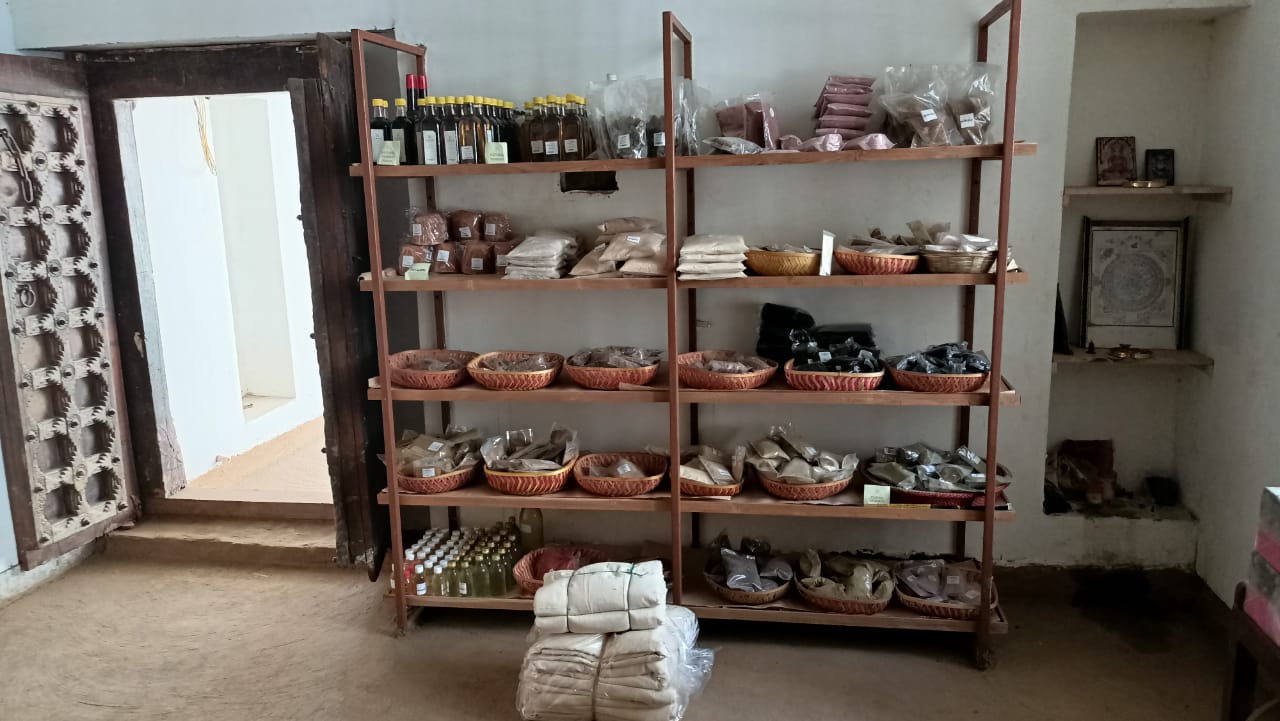
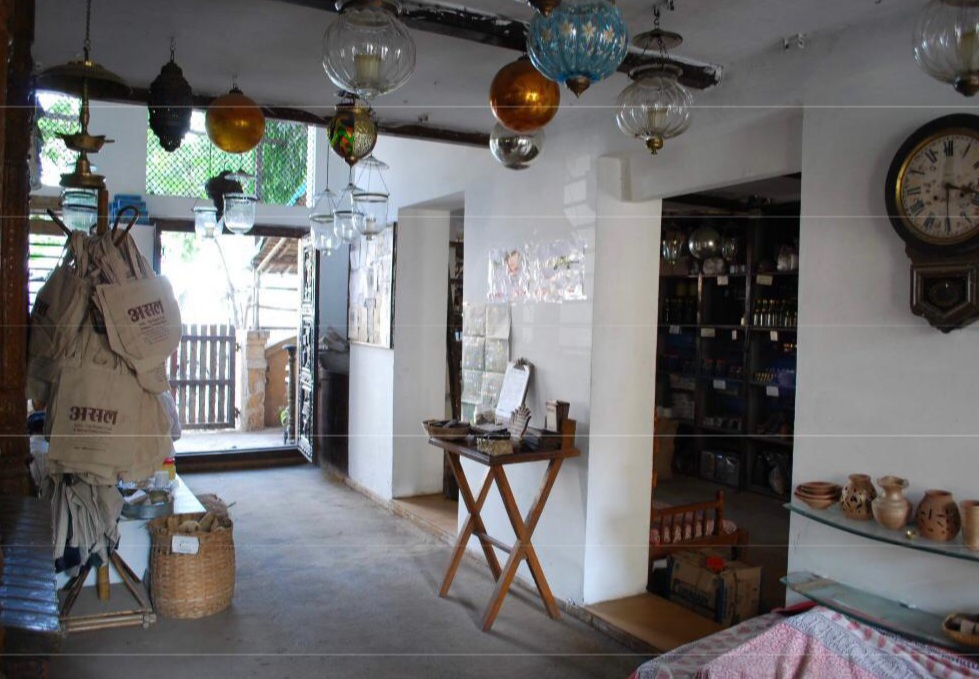
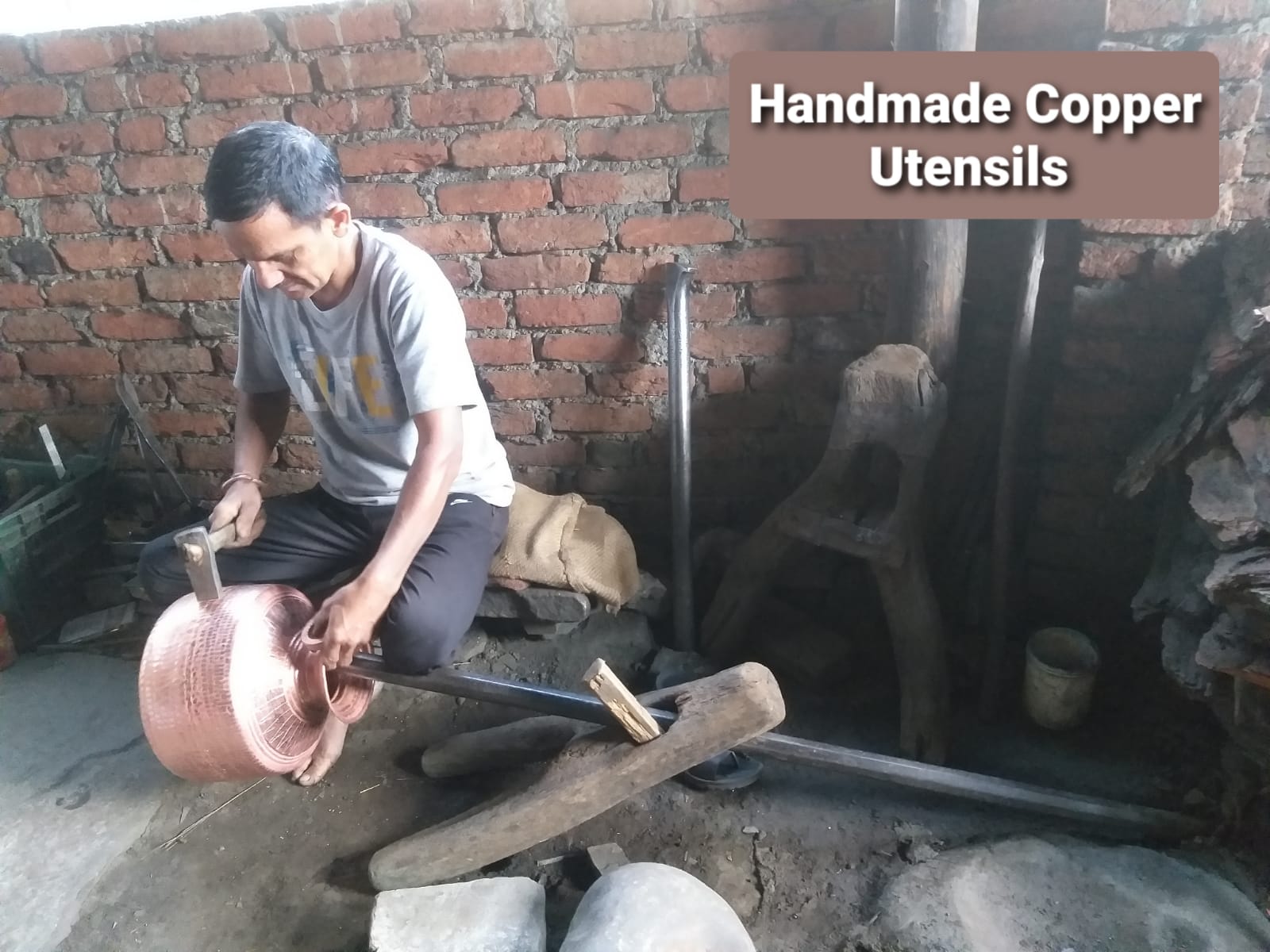
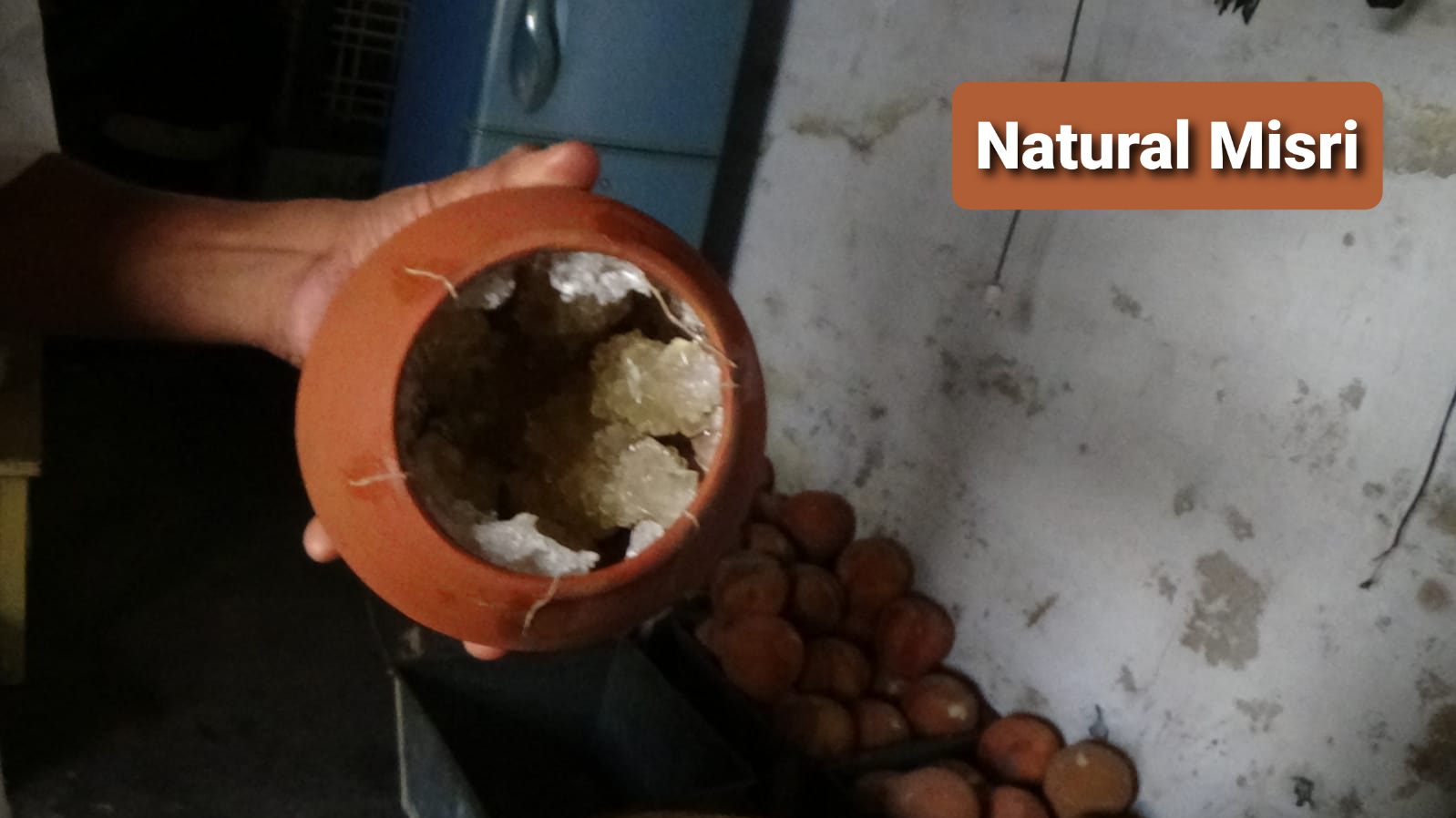
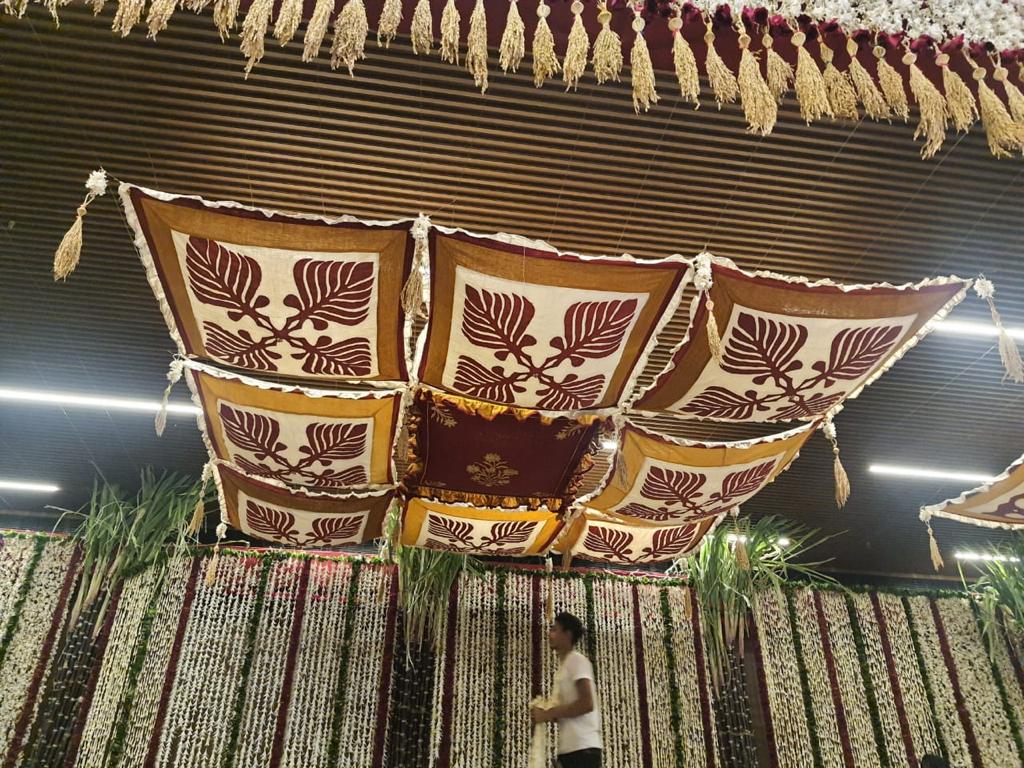
The products produced by craftsmen of Bhaarat across all product categories have a common pool of beneficial qualities. They are made by hand, made from natural raw materials, minimal or without the use of chemicals, they are environmental non damaging, from a lineage of master craftsmanship and create livelihoods for the makers while residing in their home towns and villages.
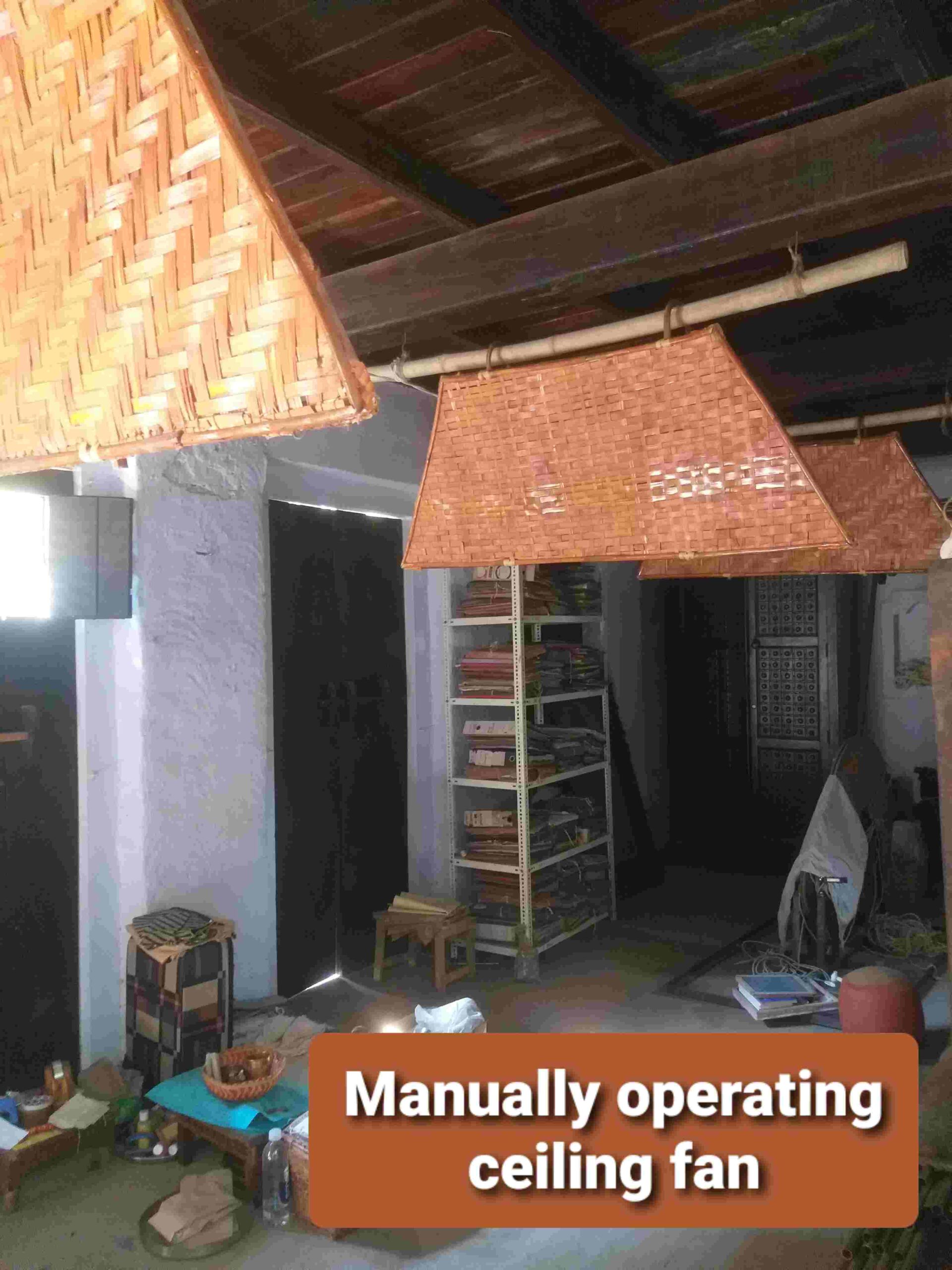
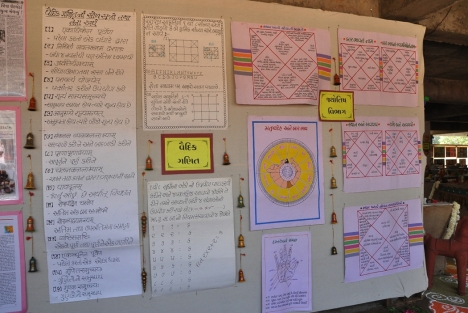
Research of material goods that were used in times before electricity and integration of Western sciences in the Bhaaratiya life. Research of Bhaaratiya scientific topics which could be instrumental in creating a strong non-polluting, ecologically non- destructive traditional technology base. The intention is to develop sound alternatives to electronic gadget and machine based systems. Research of kalas and vidyas which could be implemented in the field of education.
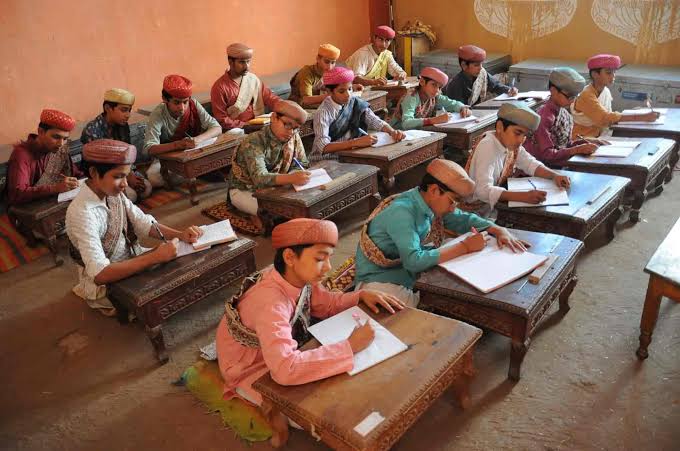
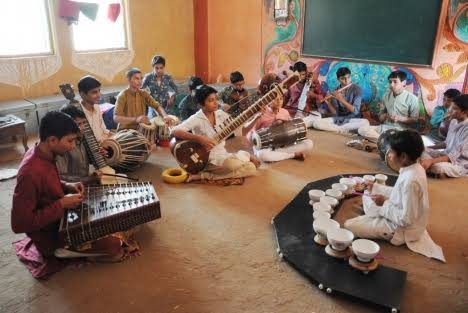
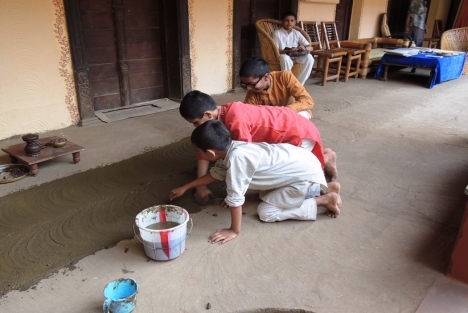
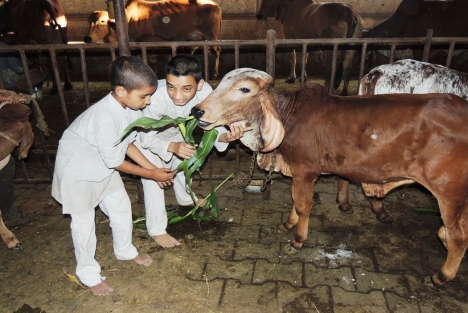
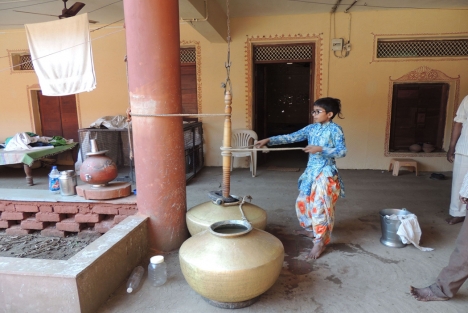
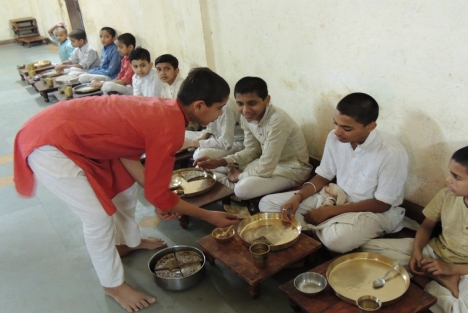
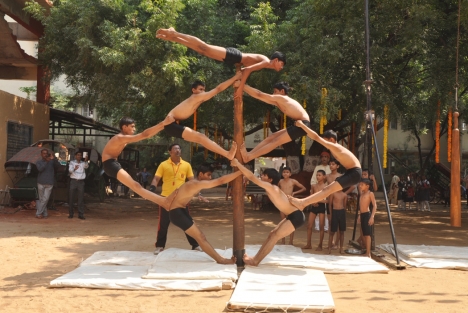
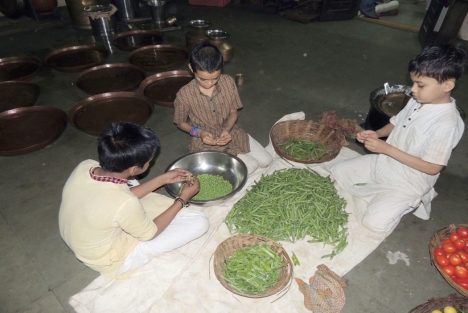
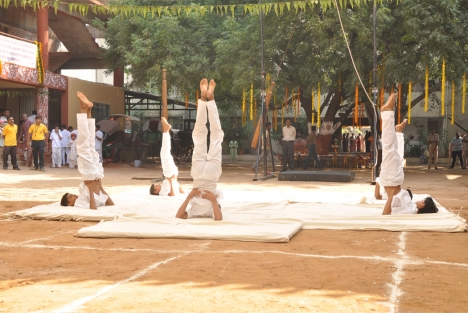
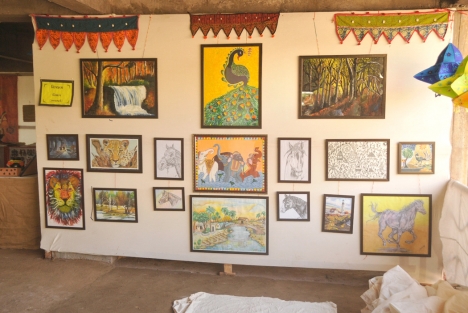
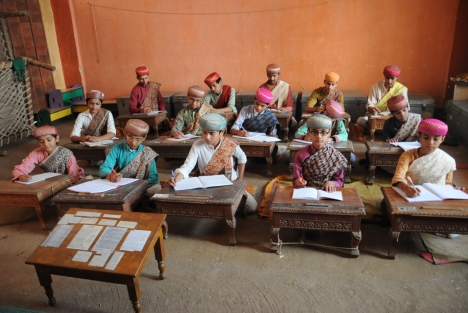
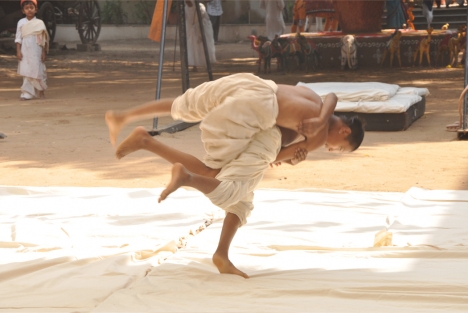
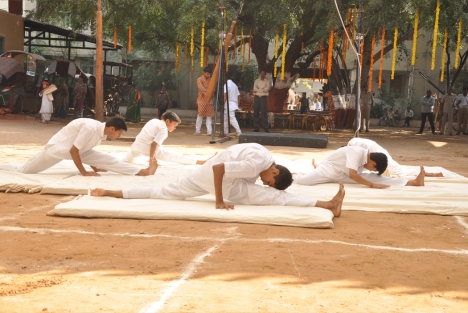
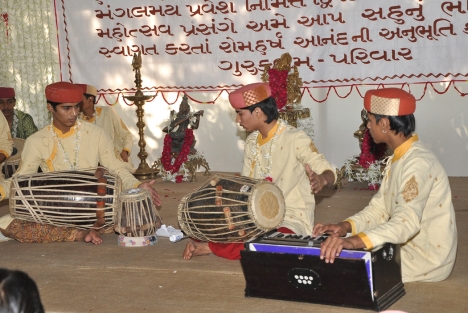
Hemchandracharya Sanskrut Patshala is a gurukulam model of education where the entire syllabus comprises of the main shastra of each topic. There are also a range of supportive subjects which integrate shastra learning in the current world scenario to enable the students to create a niche for themselves personally and professionally. The lifestyle at the Pathshala campus is based on sourcing each and every product and service from traditional artisans following a paramparik lineage of their profession. Industry and factory produced goods are avoided as far as possible. There are currently 4 branches of Hemchandracharya Sanskrut Pathshala in Mumbai, Ahmedabad and Surat.
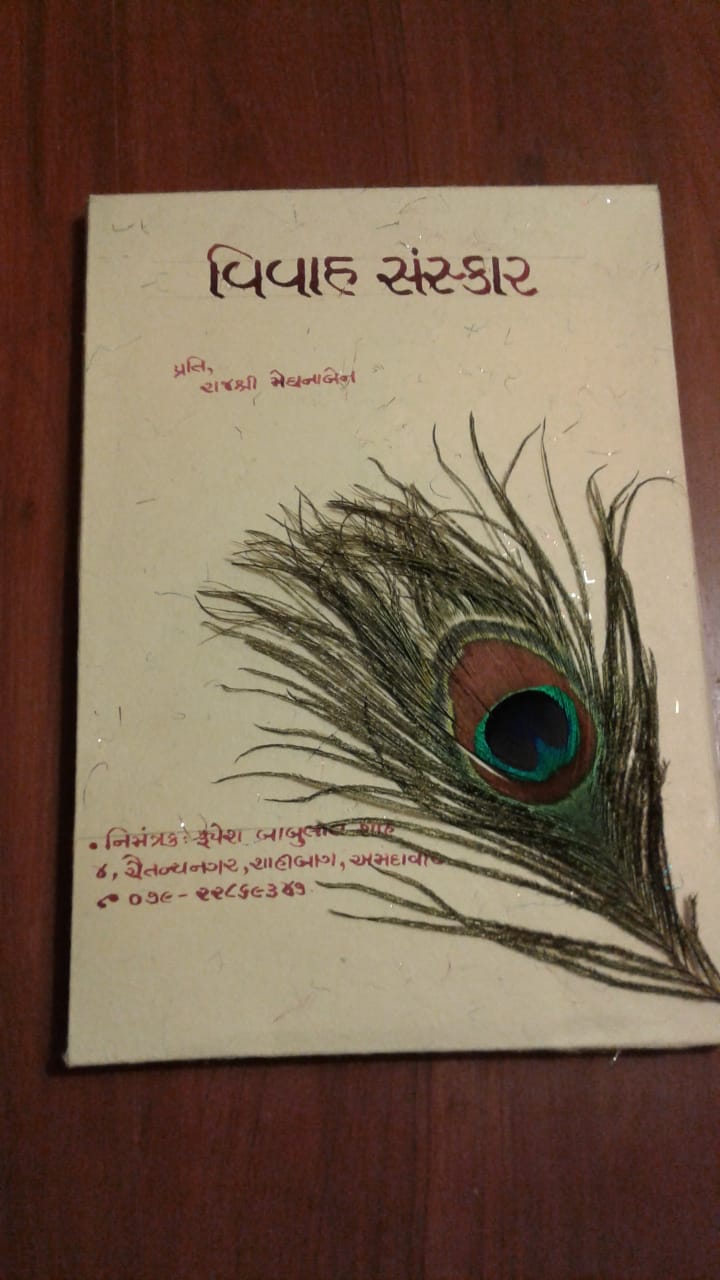
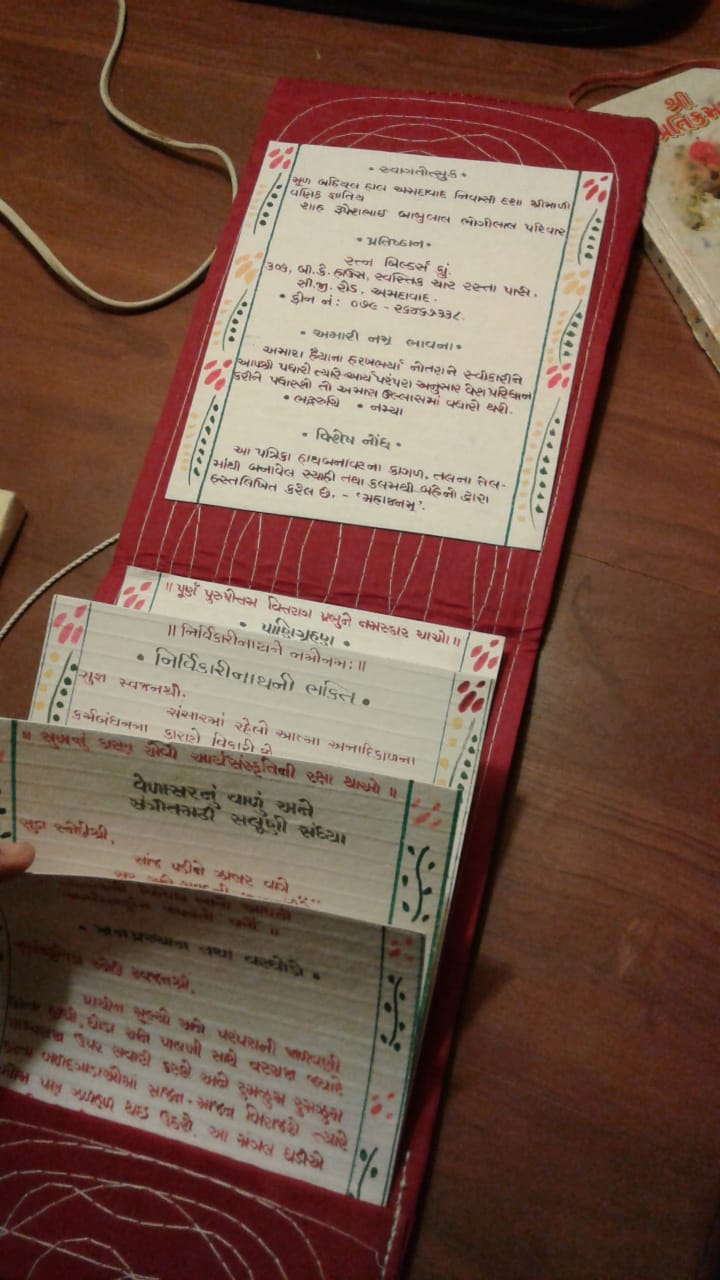
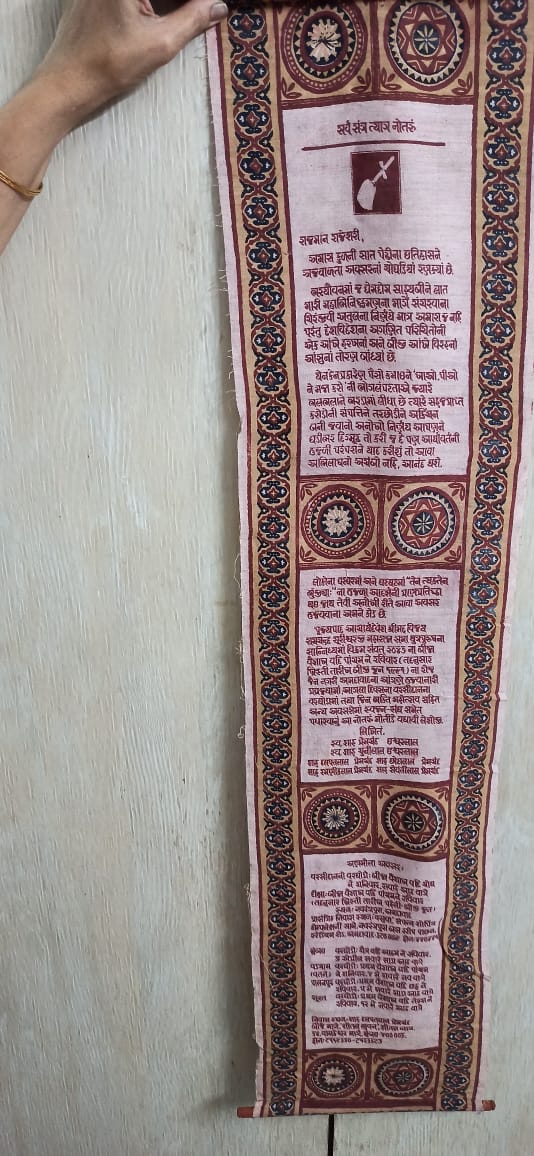
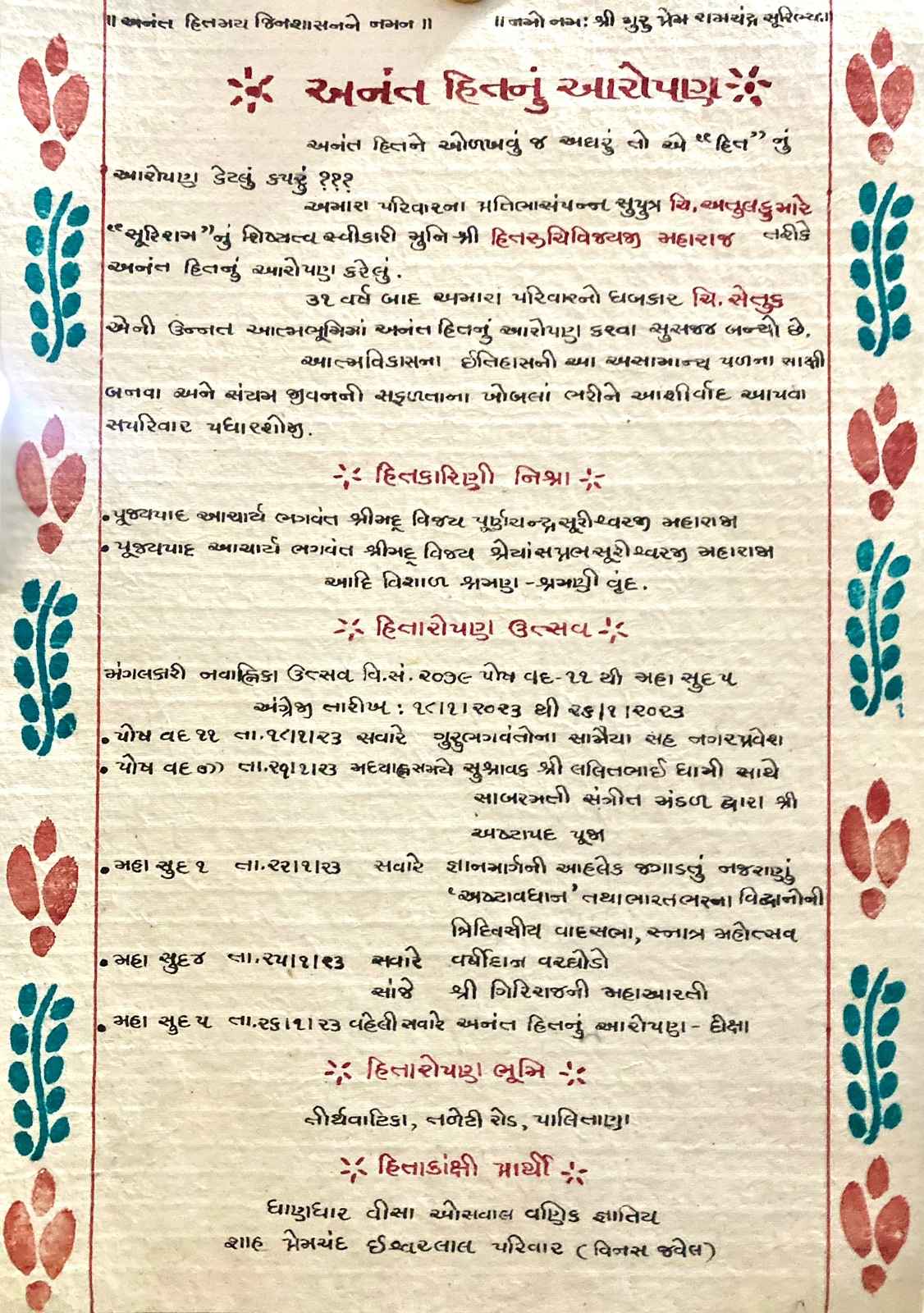
A robust calligraphy writing effort has been established. Paper is sourced from artisan families that make paper from natural materials. Ink is handmade, from soot and minerals and without the use of chemicals. The kalam is a twig from an indigenous tree. Writing of Shastras and religious lectures are carried out. Orders are also taken for making hand written, calligraphy invitation cards for occasions and visiting cards. Calligraphy is taught to people for free, following which they can earn from each page of writing.
Ayurveda Library and Management of a Network of Classical Vaidyas
A library of ancient classical Ayurvedic texts is maintained. Topic wise files of illnesses, medicinal plants and other subjects are maintained for quick, quality referencing for Vaidyas and persons with interest in a specific topic.
A contact network of Vaidyas trained not only in higher education institutions of Ayurveda but also trained under master Vaidyas and experienced healers, is maintained. Periodic meetings and conventions are held to discuss contemporary human health issues and solutions for times of distress like pandemics.
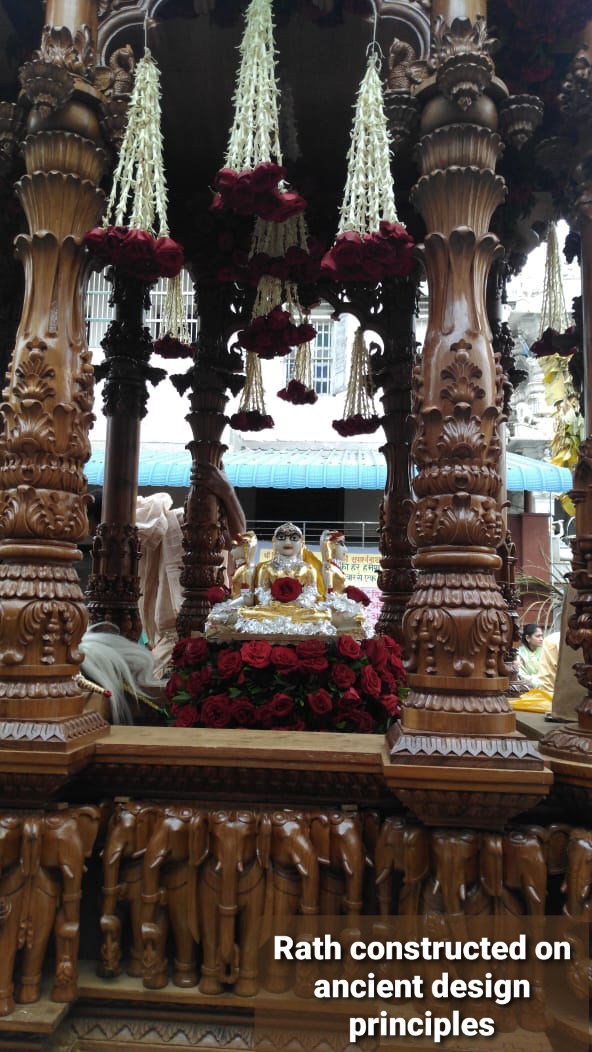
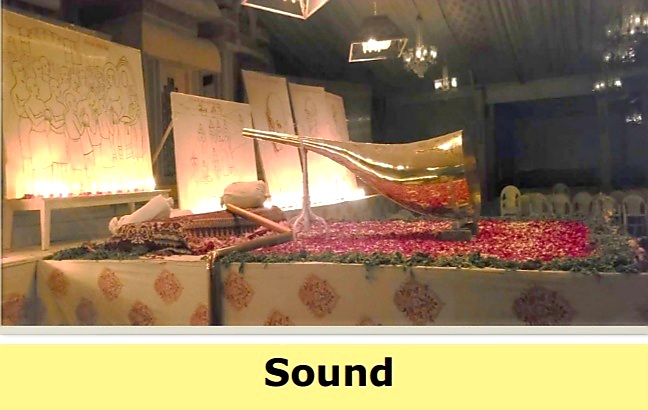
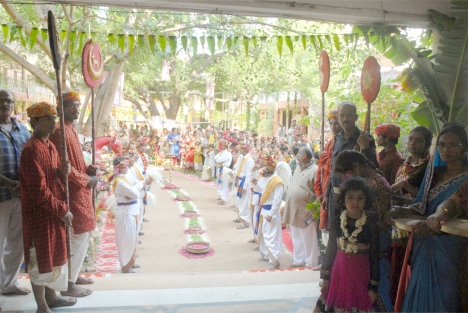
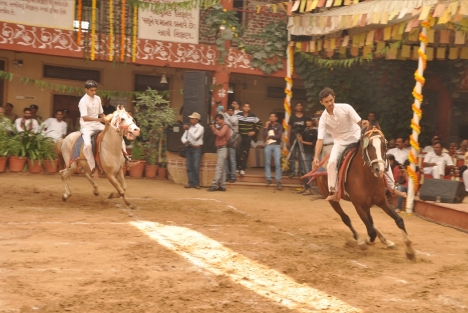
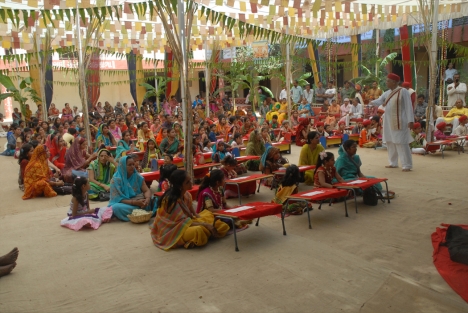
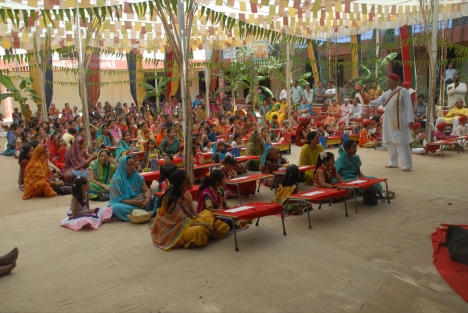
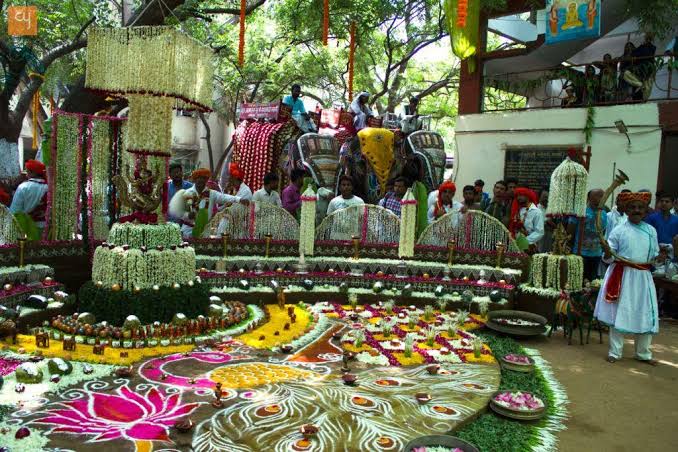
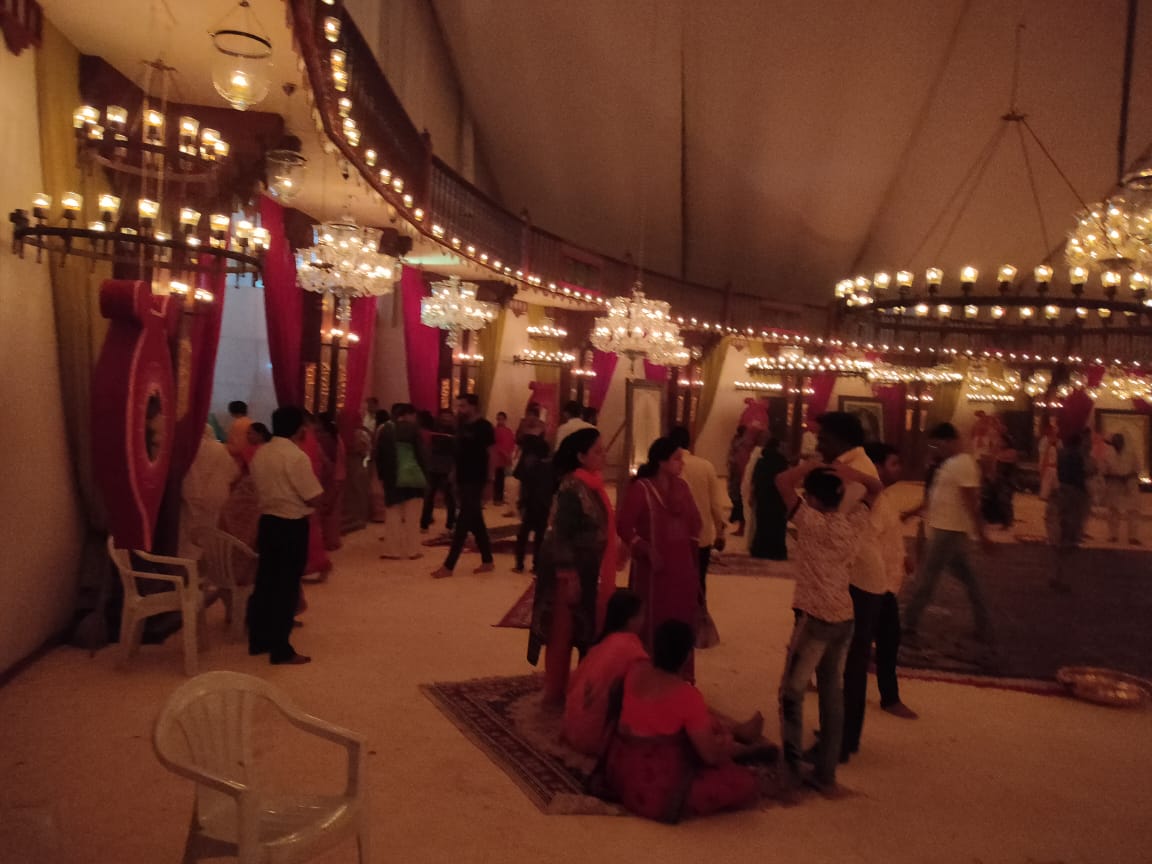
Social and Religious Events Based on the Anant Chatushk Principles